Hu Yilin × Xia Kejun × Wei Ying
When life becomes a medium, the aesthetic shift of biotechnology.
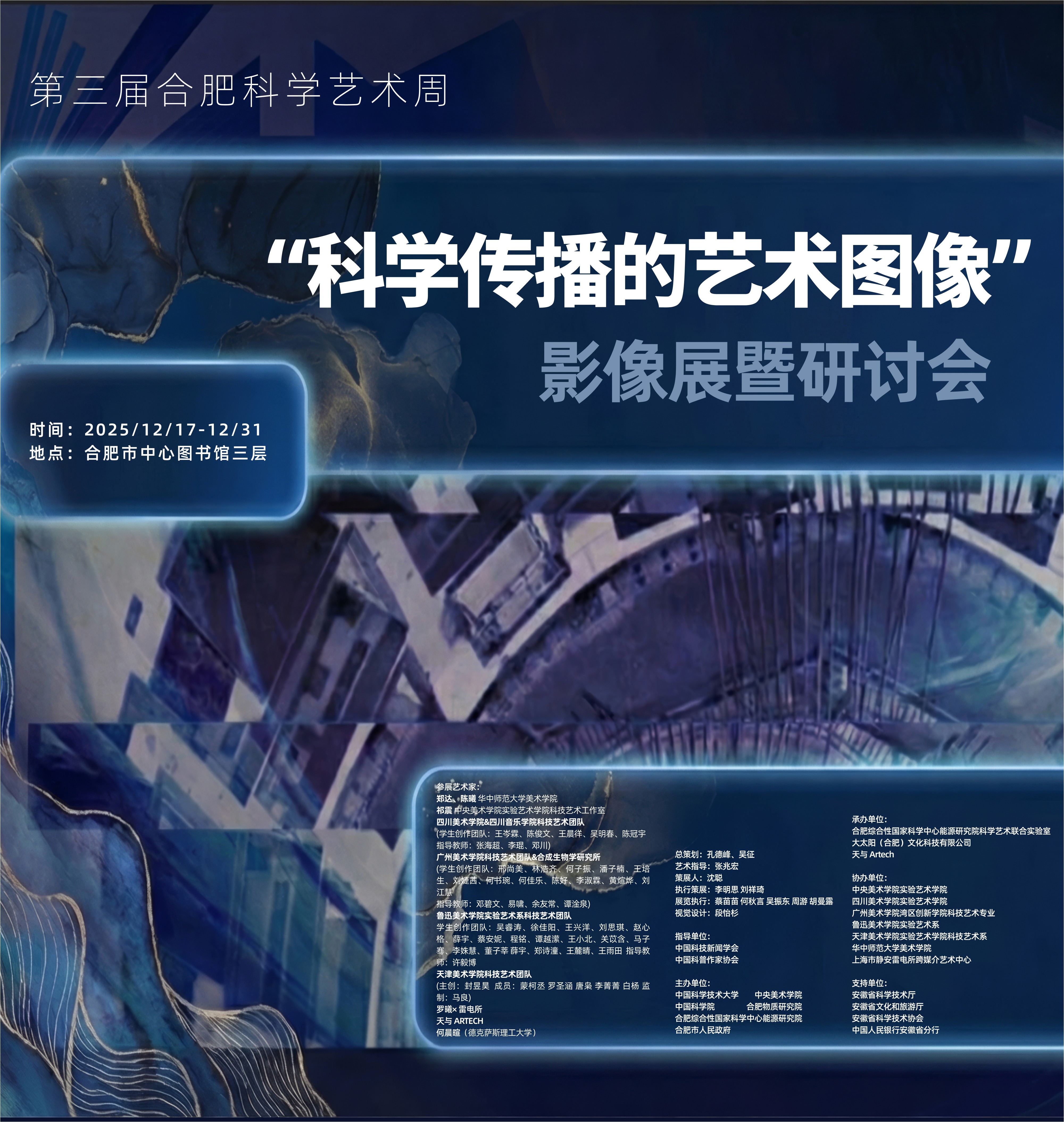
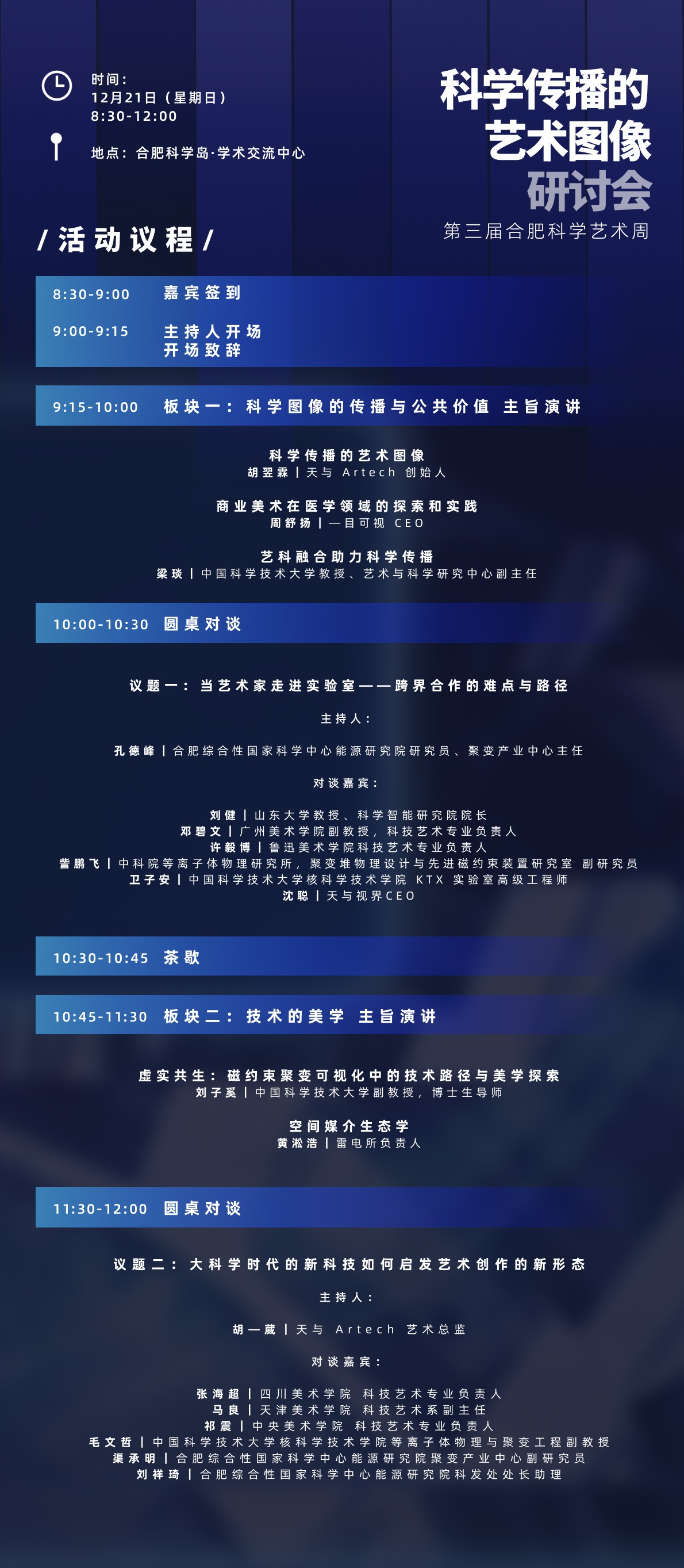
In an era where AI, gene editing, and synthetic biology are increasingly permeating our lives, "life" is no longer just a natural entity but is gradually becoming an object that can be computed, manipulated, designed, and reorganized. Are we undergoing a profound mutation of our perceptual order? When "designable life" becomes a reality, must art and philosophy redefine their own positions and missions?
< *Panelist >
[Host: Shen Cong]
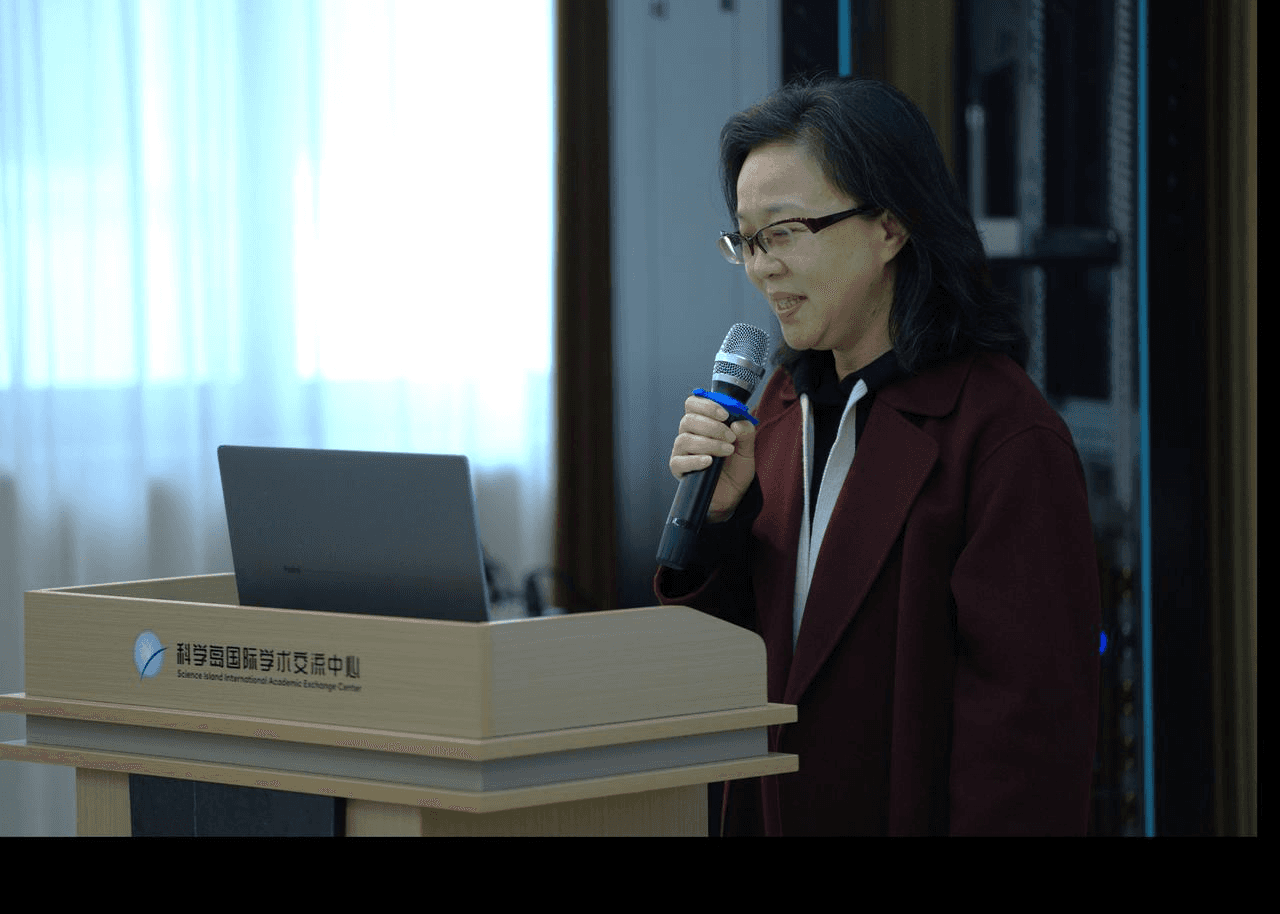
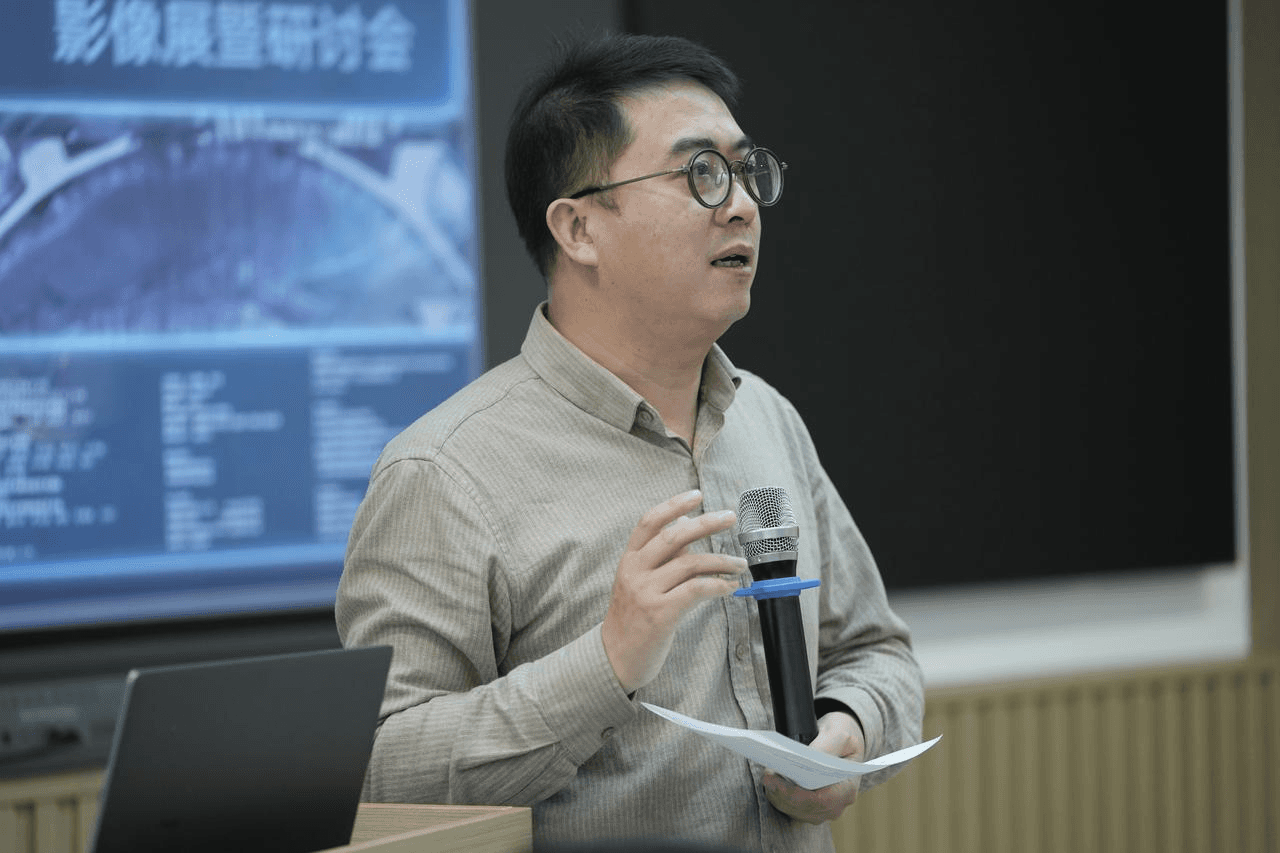
Today we are at the CCiC X Synbipunk China Bioengineering Machines Exchange Conference, where we have been invited to present an exhibition on bio-art and technological art. In front of this exhibition, I have invited a few guests to discuss the aesthetic issues surrounding biotechnology.
The theme of our sub-forum is 'Rewriting Perceptual Structures - Aesthetic Variations of Biotechnology.' At a 'hard' science conference, we aim to hold a 'soft' science discussion on art, which is very interesting. I wonder what kind of sparks will emerge from this.
Let me introduce a few guests:
Teacher Wei Ying is a well-known curator of bio-art and technology art in China and one of the pioneers in bio-art research and curation in the country. Before engaging in the art industry, she received excellent professional training in biology, earning a master's degree in biology from Fudan University, and served as a research fellow in technology art at the Central Academy of Fine Arts, where she taught courses in bio-art. Therefore, her interdisciplinary background is very suitable for today's context.
Teacher Xia Kejun is a professor at the School of Arts of Renmin University of China, who has long focused on philosophical issues related to life technology and is also a well-known art critic and contemporary art curator.
On the right is Teacher Hu Yilin, who was an associate professor in the Department of History of Science at Tsinghua University and was my mentor at Tsinghua. He has always focused on fields such as the philosophy of technology, media studies, and contemporary art. He is now a freelance scholar, web3 practitioner, and the founder of our Tianyu ARTECH.
I am also very much looking forward to what kind of collisions will occur among the three teachers today.
Entering the first topic, I would like to ask Teacher Xia to discuss how to understand 'biotechnology/life technology' from a philosophical perspective. Our subtitle today is 'The Aesthetics of Biotechnology.' I know that you have recently conducted a lot of research on this topic. When you understand 'biotechnology/life technology' from the perspective of a philosopher, how does it differ from our general understanding of 'biotechnology/life technology' in the practice of life sciences?
[Host: Shen Cong]
Today we are at the CCiC X Synbipunk China Bioengineering Machines Exchange Conference, where we have been invited to present an exhibition on bio-art and technological art. In front of this exhibition, I have invited a few guests to discuss the aesthetic issues surrounding biotechnology.
The theme of our sub-forum is 'Rewriting Perceptual Structures - Aesthetic Variations of Biotechnology.' At a 'hard' science conference, we aim to hold a 'soft' science discussion on art, which is very interesting. I wonder what kind of sparks will emerge from this.
Let me introduce a few guests:
Teacher Wei Ying is a well-known curator of bio-art and technology art in China and one of the pioneers in bio-art research and curation in the country. Before engaging in the art industry, she received excellent professional training in biology, earning a master's degree in biology from Fudan University, and served as a research fellow in technology art at the Central Academy of Fine Arts, where she taught courses in bio-art. Therefore, her interdisciplinary background is very suitable for today's context.
Teacher Xia Kejun is a professor at the School of Arts of Renmin University of China, who has long focused on philosophical issues related to life technology and is also a well-known art critic and contemporary art curator.
On the right is Teacher Hu Yilin, who was an associate professor in the Department of History of Science at Tsinghua University and was my mentor at Tsinghua. He has always focused on fields such as the philosophy of technology, media studies, and contemporary art. He is now a freelance scholar, web3 practitioner, and the founder of our Tianyu ARTECH.
I am also very much looking forward to what kind of collisions will occur among the three teachers today.
Entering the first topic, I would like to ask Teacher Xia to discuss how to understand 'biotechnology/life technology' from a philosophical perspective. Our subtitle today is 'The Aesthetics of Biotechnology.' I know that you have recently conducted a lot of research on this topic. When you understand 'biotechnology/life technology' from the perspective of a philosopher, how does it differ from our general understanding of 'biotechnology/life technology' in the practice of life sciences?
< *Panelist >
[Host: Shen Cong]
Today we are at the CCiC X Synbipunk China Bioengineering Machines Exchange Conference, where we have been invited to present an exhibition on bio-art and technological art. In front of this exhibition, I have invited a few guests to discuss the aesthetic issues surrounding biotechnology.
The theme of our sub-forum is 'Rewriting Perceptual Structures - Aesthetic Variations of Biotechnology.' At a 'hard' science conference, we aim to hold a 'soft' science discussion on art, which is very interesting. I wonder what kind of sparks will emerge from this.
Let me introduce a few guests:
Teacher Wei Ying is a well-known curator of bio-art and technology art in China and one of the pioneers in bio-art research and curation in the country. Before engaging in the art industry, she received excellent professional training in biology, earning a master's degree in biology from Fudan University, and served as a research fellow in technology art at the Central Academy of Fine Arts, where she taught courses in bio-art. Therefore, her interdisciplinary background is very suitable for today's context.
Teacher Xia Kejun is a professor at the School of Arts of Renmin University of China, who has long focused on philosophical issues related to life technology and is also a well-known art critic and contemporary art curator.
On the right is Teacher Hu Yilin, who was an associate professor in the Department of History of Science at Tsinghua University and was my mentor at Tsinghua. He has always focused on fields such as the philosophy of technology, media studies, and contemporary art. He is now a freelance scholar, web3 practitioner, and the founder of our Tianyu ARTECH.
I am also very much looking forward to what kind of collisions will occur among the three teachers today.
Entering the first topic, I would like to ask Teacher Xia to discuss how to understand 'biotechnology/life technology' from a philosophical perspective. Our subtitle today is 'The Aesthetics of Biotechnology.' I know that you have recently conducted a lot of research on this topic. When you understand 'biotechnology/life technology' from the perspective of a philosopher, how does it differ from our general understanding of 'biotechnology/life technology' in the practice of life sciences?
< *Panelist >
[Host: Shen Cong]
Today we are at the CCiC X Synbipunk China Bioengineering Machines Exchange Conference, where we have been invited to present an exhibition on bio-art and technological art. In front of this exhibition, I have invited a few guests to discuss the aesthetic issues surrounding biotechnology.
The theme of our sub-forum is 'Rewriting Perceptual Structures - Aesthetic Variations of Biotechnology.' At a 'hard' science conference, we aim to hold a 'soft' science discussion on art, which is very interesting. I wonder what kind of sparks will emerge from this.
Let me introduce a few guests:
Teacher Wei Ying is a well-known curator of bio-art and technology art in China and one of the pioneers in bio-art research and curation in the country. Before engaging in the art industry, she received excellent professional training in biology, earning a master's degree in biology from Fudan University, and served as a research fellow in technology art at the Central Academy of Fine Arts, where she taught courses in bio-art. Therefore, her interdisciplinary background is very suitable for today's context.
Teacher Xia Kejun is a professor at the School of Arts of Renmin University of China, who has long focused on philosophical issues related to life technology and is also a well-known art critic and contemporary art curator.
On the right is Teacher Hu Yilin, who was an associate professor in the Department of History of Science at Tsinghua University and was my mentor at Tsinghua. He has always focused on fields such as the philosophy of technology, media studies, and contemporary art. He is now a freelance scholar, web3 practitioner, and the founder of our Tianyu ARTECH.
I am also very much looking forward to what kind of collisions will occur among the three teachers today.
Entering the first topic, I would like to ask Teacher Xia to discuss how to understand 'biotechnology/life technology' from a philosophical perspective. Our subtitle today is 'The Aesthetics of Biotechnology.' I know that you have recently conducted a lot of research on this topic. When you understand 'biotechnology/life technology' from the perspective of a philosopher, how does it differ from our general understanding of 'biotechnology/life technology' in the practice of life sciences?
[Host: Shen Cong]
Today we are at the CCiC X Synbipunk China Bioengineering Machines Exchange Conference, where we have been invited to present an exhibition on bio-art and technological art. In front of this exhibition, I have invited a few guests to discuss the aesthetic issues surrounding biotechnology.
The theme of our sub-forum is 'Rewriting Perceptual Structures - Aesthetic Variations of Biotechnology.' At a 'hard' science conference, we aim to hold a 'soft' science discussion on art, which is very interesting. I wonder what kind of sparks will emerge from this.
Let me introduce a few guests:
Teacher Wei Ying is a well-known curator of bio-art and technology art in China and one of the pioneers in bio-art research and curation in the country. Before engaging in the art industry, she received excellent professional training in biology, earning a master's degree in biology from Fudan University, and served as a research fellow in technology art at the Central Academy of Fine Arts, where she taught courses in bio-art. Therefore, her interdisciplinary background is very suitable for today's context.
Teacher Xia Kejun is a professor at the School of Arts of Renmin University of China, who has long focused on philosophical issues related to life technology and is also a well-known art critic and contemporary art curator.
On the right is Teacher Hu Yilin, who was an associate professor in the Department of History of Science at Tsinghua University and was my mentor at Tsinghua. He has always focused on fields such as the philosophy of technology, media studies, and contemporary art. He is now a freelance scholar, web3 practitioner, and the founder of our Tianyu ARTECH.
I am also very much looking forward to what kind of collisions will occur among the three teachers today.
Entering the first topic, I would like to ask Teacher Xia to discuss how to understand 'biotechnology/life technology' from a philosophical perspective. Our subtitle today is 'The Aesthetics of Biotechnology.' I know that you have recently conducted a lot of research on this topic. When you understand 'biotechnology/life technology' from the perspective of a philosopher, how does it differ from our general understanding of 'biotechnology/life technology' in the practice of life sciences?
< *Panelist >
[Host: Shen Cong]
Today we are at the CCiC X Synbipunk China Bioengineering Machines Exchange Conference, where we have been invited to present an exhibition on bio-art and technological art. In front of this exhibition, I have invited a few guests to discuss the aesthetic issues surrounding biotechnology.
The theme of our sub-forum is 'Rewriting Perceptual Structures - Aesthetic Variations of Biotechnology.' At a 'hard' science conference, we aim to hold a 'soft' science discussion on art, which is very interesting. I wonder what kind of sparks will emerge from this.
Let me introduce a few guests:
Teacher Wei Ying is a well-known curator of bio-art and technology art in China and one of the pioneers in bio-art research and curation in the country. Before engaging in the art industry, she received excellent professional training in biology, earning a master's degree in biology from Fudan University, and served as a research fellow in technology art at the Central Academy of Fine Arts, where she taught courses in bio-art. Therefore, her interdisciplinary background is very suitable for today's context.
Teacher Xia Kejun is a professor at the School of Arts of Renmin University of China, who has long focused on philosophical issues related to life technology and is also a well-known art critic and contemporary art curator.
On the right is Teacher Hu Yilin, who was an associate professor in the Department of History of Science at Tsinghua University and was my mentor at Tsinghua. He has always focused on fields such as the philosophy of technology, media studies, and contemporary art. He is now a freelance scholar, web3 practitioner, and the founder of our Tianyu ARTECH.
I am also very much looking forward to what kind of collisions will occur among the three teachers today.
Entering the first topic, I would like to ask Teacher Xia to discuss how to understand 'biotechnology/life technology' from a philosophical perspective. Our subtitle today is 'The Aesthetics of Biotechnology.' I know that you have recently conducted a lot of research on this topic. When you understand 'biotechnology/life technology' from the perspective of a philosopher, how does it differ from our general understanding of 'biotechnology/life technology' in the practice of life sciences?
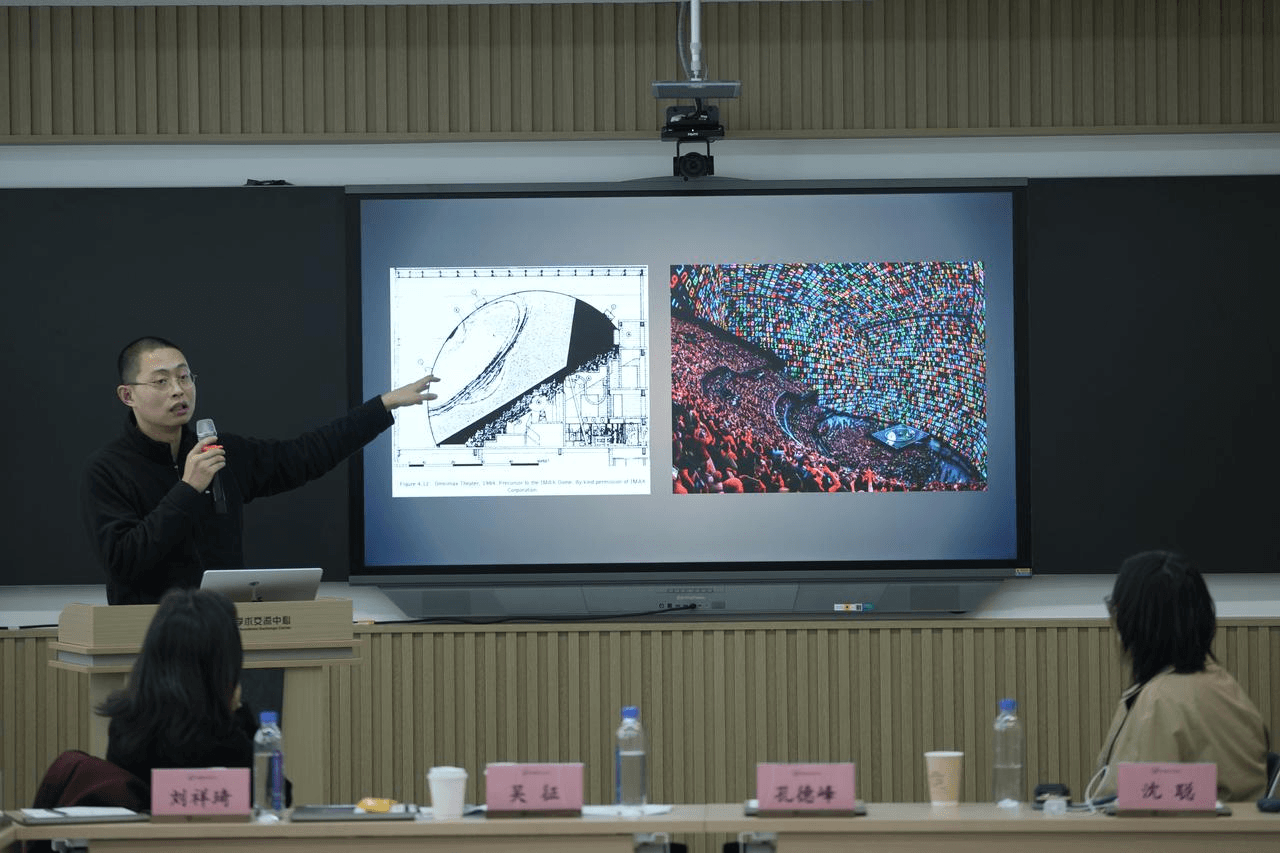
[Host: Shen Cong]
Today we are at the CCiC X Synbipunk China Bioengineering Machines Exchange Conference, where we have been invited to present an exhibition on bio-art and technological art. In front of this exhibition, I have invited a few guests to discuss the aesthetic issues surrounding biotechnology.
The theme of our sub-forum is 'Rewriting Perceptual Structures - Aesthetic Variations of Biotechnology.' At a 'hard' science conference, we aim to hold a 'soft' science discussion on art, which is very interesting. I wonder what kind of sparks will emerge from this.
Let me introduce a few guests:
Teacher Wei Ying is a well-known curator of bio-art and technology art in China and one of the pioneers in bio-art research and curation in the country. Before engaging in the art industry, she received excellent professional training in biology, earning a master's degree in biology from Fudan University, and served as a research fellow in technology art at the Central Academy of Fine Arts, where she taught courses in bio-art. Therefore, her interdisciplinary background is very suitable for today's context.
Teacher Xia Kejun is a professor at the School of Arts of Renmin University of China, who has long focused on philosophical issues related to life technology and is also a well-known art critic and contemporary art curator.
On the right is Teacher Hu Yilin, who was an associate professor in the Department of History of Science at Tsinghua University and was my mentor at Tsinghua. He has always focused on fields such as the philosophy of technology, media studies, and contemporary art. He is now a freelance scholar, web3 practitioner, and the founder of our Tianyu ARTECH.
I am also very much looking forward to what kind of collisions will occur among the three teachers today.
Entering the first topic, I would like to ask Teacher Xia to discuss how to understand 'biotechnology/life technology' from a philosophical perspective. Our subtitle today is 'The Aesthetics of Biotechnology.' I know that you have recently conducted a lot of research on this topic. When you understand 'biotechnology/life technology' from the perspective of a philosopher, how does it differ from our general understanding of 'biotechnology/life technology' in the practice of life sciences?
< *Panelist >
[Host: Shen Cong]
Today we are at the CCiC X Synbipunk China Bioengineering Machines Exchange Conference, where we have been invited to present an exhibition on bio-art and technological art. In front of this exhibition, I have invited a few guests to discuss the aesthetic issues surrounding biotechnology.
The theme of our sub-forum is 'Rewriting Perceptual Structures - Aesthetic Variations of Biotechnology.' At a 'hard' science conference, we aim to hold a 'soft' science discussion on art, which is very interesting. I wonder what kind of sparks will emerge from this.
Let me introduce a few guests:
Teacher Wei Ying is a well-known curator of bio-art and technology art in China and one of the pioneers in bio-art research and curation in the country. Before engaging in the art industry, she received excellent professional training in biology, earning a master's degree in biology from Fudan University, and served as a research fellow in technology art at the Central Academy of Fine Arts, where she taught courses in bio-art. Therefore, her interdisciplinary background is very suitable for today's context.
Teacher Xia Kejun is a professor at the School of Arts of Renmin University of China, who has long focused on philosophical issues related to life technology and is also a well-known art critic and contemporary art curator.
On the right is Teacher Hu Yilin, who was an associate professor in the Department of History of Science at Tsinghua University and was my mentor at Tsinghua. He has always focused on fields such as the philosophy of technology, media studies, and contemporary art. He is now a freelance scholar, web3 practitioner, and the founder of our Tianyu ARTECH.
I am also very much looking forward to what kind of collisions will occur among the three teachers today.
Entering the first topic, I would like to ask Teacher Xia to discuss how to understand 'biotechnology/life technology' from a philosophical perspective. Our subtitle today is 'The Aesthetics of Biotechnology.' I know that you have recently conducted a lot of research on this topic. When you understand 'biotechnology/life technology' from the perspective of a philosopher, how does it differ from our general understanding of 'biotechnology/life technology' in the practice of life sciences?
[Guest: Xia Kejun]
-- "Life technology" is not only related to scientific operations, but also introduces biological thought into philosophical reflection, exploring how technology transforms and enhances life.
The "biotechnology" I understand comes from biopolitics, a concept formed around the management of life and politics from Foucault to Agamben. I think about life technology from a philosophical perspective, continuing this tradition to consider the relationship between biotechnology and the body, but how is it specifically different?
When I mention this term, it can be understood in two ways: one is the philosophy of biology — driven by biology — the philosophical questions arising from the evolution of biology over the past couple of hundred years, from Darwin to DNA to the central dogma and then to epigenetics. The other perspective is the philosophical biologization — or the philosophy of life/technology of life, with some subtle distinctions that this more closely examines biology from a philosophical standpoint, rather than simply arising from the problems posed by biology itself — for example, what is a species? Or the relationship between genetic determinism and epigenetics. The philosophical expression is not just about the relationship between genotype and phenotype, but also about the relationship between nature and nurture.
On one hand, transforming biological questions into philosophical questions, but on the other hand, my contemplation of life technology mainly revolves around how the new technologies acquired by humans can transform or enhance life, which necessitates a deeper understanding of genetic modification, representing an enhancement of eugenics on the level of life.
[Host: Shen Cong]
Thank you very much, Teacher Xia, for providing us a lens to understand biotechnology from a philosophical perspective. Our subtitle is [When Life Becomes a Medium, How Do We Understand Technology?] I would like to ask Teacher Hu to share his thoughts. Why do we say that life has become a medium? How is this different from previous eras?
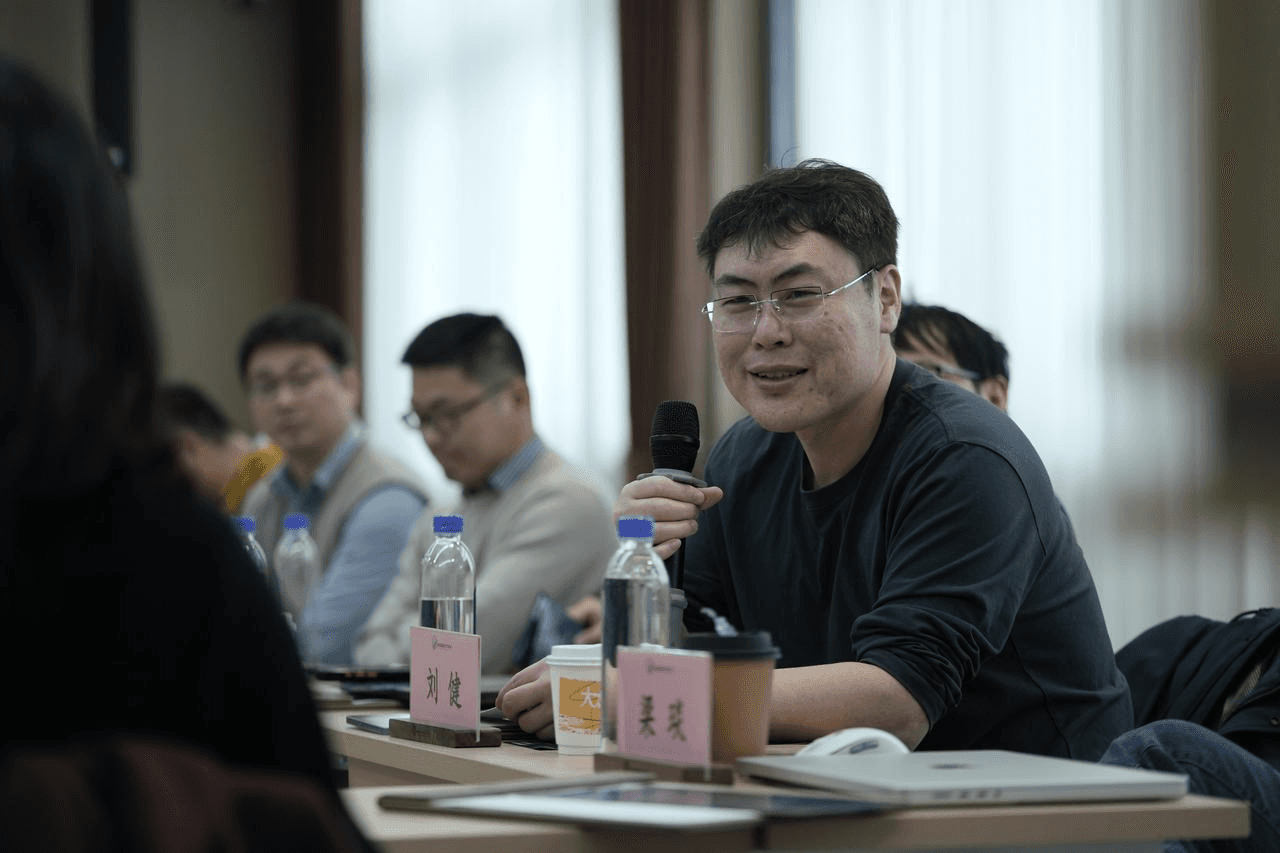
[Host: Shen Cong]
Today we are at the CCiC X Synbipunk China Bioengineering Machines Exchange Conference, where we have been invited to present an exhibition on bio-art and technological art. In front of this exhibition, I have invited a few guests to discuss the aesthetic issues surrounding biotechnology.
The theme of our sub-forum is 'Rewriting Perceptual Structures - Aesthetic Variations of Biotechnology.' At a 'hard' science conference, we aim to hold a 'soft' science discussion on art, which is very interesting. I wonder what kind of sparks will emerge from this.
Let me introduce a few guests:
Teacher Wei Ying is a well-known curator of bio-art and technology art in China and one of the pioneers in bio-art research and curation in the country. Before engaging in the art industry, she received excellent professional training in biology, earning a master's degree in biology from Fudan University, and served as a research fellow in technology art at the Central Academy of Fine Arts, where she taught courses in bio-art. Therefore, her interdisciplinary background is very suitable for today's context.
Teacher Xia Kejun is a professor at the School of Arts of Renmin University of China, who has long focused on philosophical issues related to life technology and is also a well-known art critic and contemporary art curator.
On the right is Teacher Hu Yilin, who was an associate professor in the Department of History of Science at Tsinghua University and was my mentor at Tsinghua. He has always focused on fields such as the philosophy of technology, media studies, and contemporary art. He is now a freelance scholar, web3 practitioner, and the founder of our Tianyu ARTECH.
I am also very much looking forward to what kind of collisions will occur among the three teachers today.
Entering the first topic, I would like to ask Teacher Xia to discuss how to understand 'biotechnology/life technology' from a philosophical perspective. Our subtitle today is 'The Aesthetics of Biotechnology.' I know that you have recently conducted a lot of research on this topic. When you understand 'biotechnology/life technology' from the perspective of a philosopher, how does it differ from our general understanding of 'biotechnology/life technology' in the practice of life sciences?
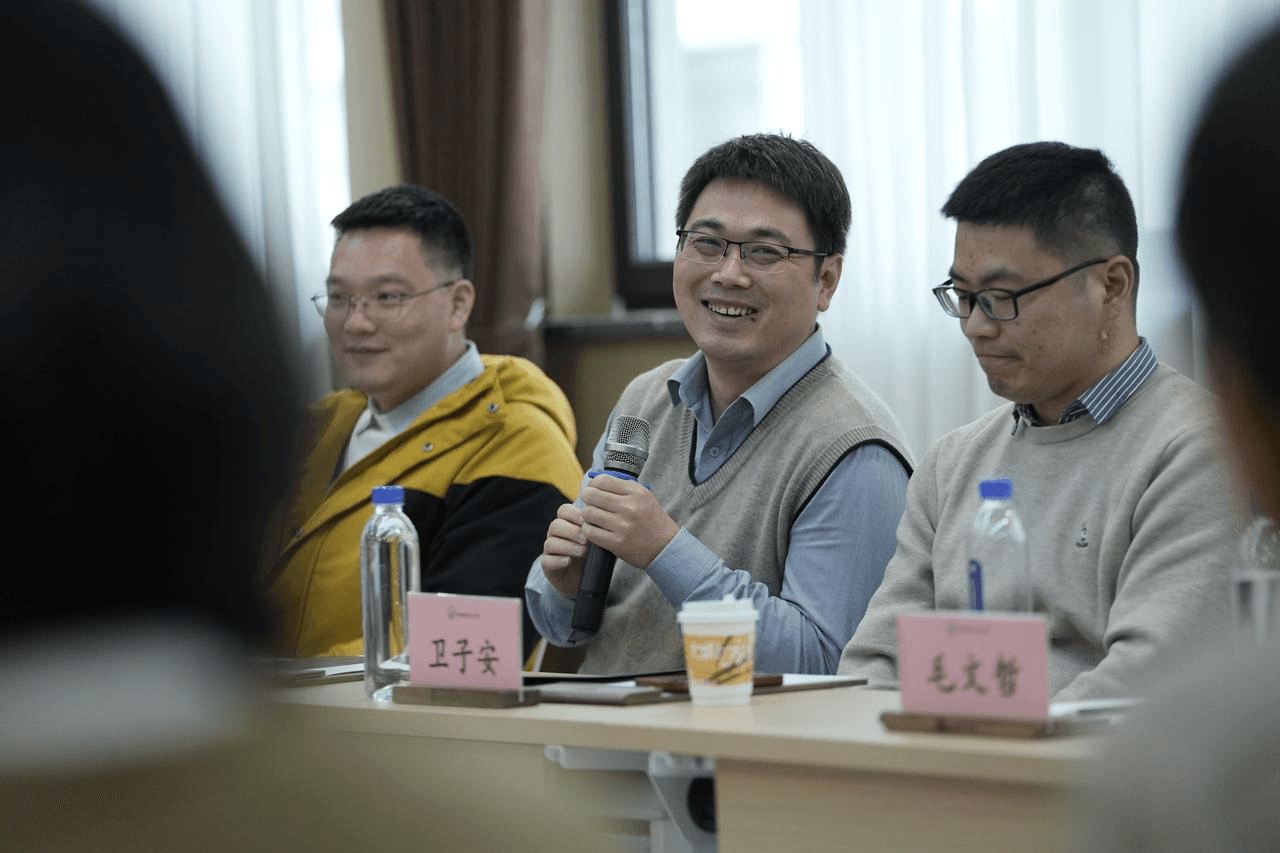
[Host: Shen Cong]
Today we are at the CCiC X Synbipunk China Bioengineering Machines Exchange Conference, where we have been invited to present an exhibition on bio-art and technological art. In front of this exhibition, I have invited a few guests to discuss the aesthetic issues surrounding biotechnology.
The theme of our sub-forum is 'Rewriting Perceptual Structures - Aesthetic Variations of Biotechnology.' At a 'hard' science conference, we aim to hold a 'soft' science discussion on art, which is very interesting. I wonder what kind of sparks will emerge from this.
Let me introduce a few guests:
Teacher Wei Ying is a well-known curator of bio-art and technology art in China and one of the pioneers in bio-art research and curation in the country. Before engaging in the art industry, she received excellent professional training in biology, earning a master's degree in biology from Fudan University, and served as a research fellow in technology art at the Central Academy of Fine Arts, where she taught courses in bio-art. Therefore, her interdisciplinary background is very suitable for today's context.
Teacher Xia Kejun is a professor at the School of Arts of Renmin University of China, who has long focused on philosophical issues related to life technology and is also a well-known art critic and contemporary art curator.
On the right is Teacher Hu Yilin, who was an associate professor in the Department of History of Science at Tsinghua University and was my mentor at Tsinghua. He has always focused on fields such as the philosophy of technology, media studies, and contemporary art. He is now a freelance scholar, web3 practitioner, and the founder of our Tianyu ARTECH.
I am also very much looking forward to what kind of collisions will occur among the three teachers today.
Entering the first topic, I would like to ask Teacher Xia to discuss how to understand 'biotechnology/life technology' from a philosophical perspective. Our subtitle today is 'The Aesthetics of Biotechnology.' I know that you have recently conducted a lot of research on this topic. When you understand 'biotechnology/life technology' from the perspective of a philosopher, how does it differ from our general understanding of 'biotechnology/life technology' in the practice of life sciences?
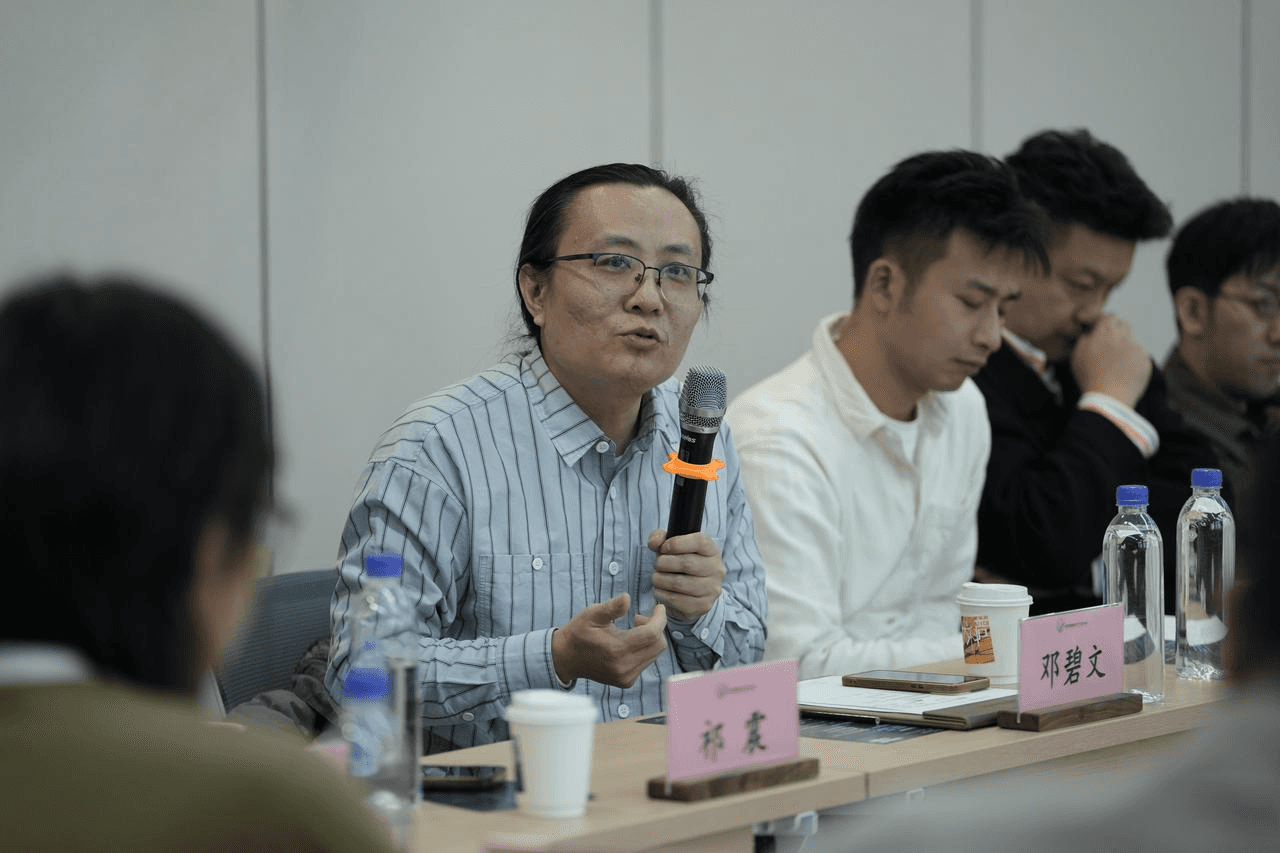
[Host: Shen Cong]
Today we are at the CCiC X Synbipunk China Bioengineering Machines Exchange Conference, where we have been invited to present an exhibition on bio-art and technological art. In front of this exhibition, I have invited a few guests to discuss the aesthetic issues surrounding biotechnology.
The theme of our sub-forum is 'Rewriting Perceptual Structures - Aesthetic Variations of Biotechnology.' At a 'hard' science conference, we aim to hold a 'soft' science discussion on art, which is very interesting. I wonder what kind of sparks will emerge from this.
Let me introduce a few guests:
Teacher Wei Ying is a well-known curator of bio-art and technology art in China and one of the pioneers in bio-art research and curation in the country. Before engaging in the art industry, she received excellent professional training in biology, earning a master's degree in biology from Fudan University, and served as a research fellow in technology art at the Central Academy of Fine Arts, where she taught courses in bio-art. Therefore, her interdisciplinary background is very suitable for today's context.
Teacher Xia Kejun is a professor at the School of Arts of Renmin University of China, who has long focused on philosophical issues related to life technology and is also a well-known art critic and contemporary art curator.
On the right is Teacher Hu Yilin, who was an associate professor in the Department of History of Science at Tsinghua University and was my mentor at Tsinghua. He has always focused on fields such as the philosophy of technology, media studies, and contemporary art. He is now a freelance scholar, web3 practitioner, and the founder of our Tianyu ARTECH.
I am also very much looking forward to what kind of collisions will occur among the three teachers today.
Entering the first topic, I would like to ask Teacher Xia to discuss how to understand 'biotechnology/life technology' from a philosophical perspective. Our subtitle today is 'The Aesthetics of Biotechnology.' I know that you have recently conducted a lot of research on this topic. When you understand 'biotechnology/life technology' from the perspective of a philosopher, how does it differ from our general understanding of 'biotechnology/life technology' in the practice of life sciences?
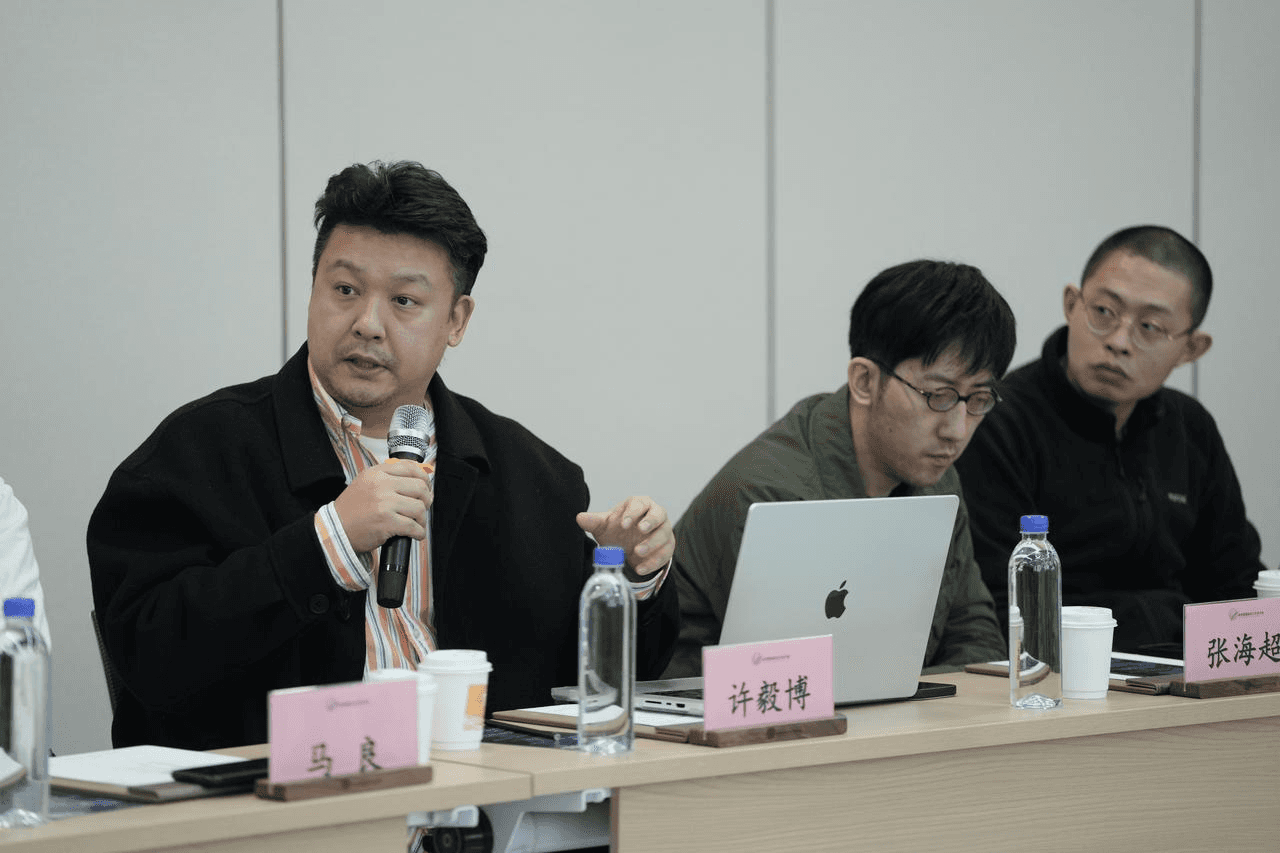
[Host: Shen Cong]
Today we are at the CCiC X Synbipunk China Bioengineering Machines Exchange Conference, where we have been invited to present an exhibition on bio-art and technological art. In front of this exhibition, I have invited a few guests to discuss the aesthetic issues surrounding biotechnology.
The theme of our sub-forum is 'Rewriting Perceptual Structures - Aesthetic Variations of Biotechnology.' At a 'hard' science conference, we aim to hold a 'soft' science discussion on art, which is very interesting. I wonder what kind of sparks will emerge from this.
Let me introduce a few guests:
Teacher Wei Ying is a well-known curator of bio-art and technology art in China and one of the pioneers in bio-art research and curation in the country. Before engaging in the art industry, she received excellent professional training in biology, earning a master's degree in biology from Fudan University, and served as a research fellow in technology art at the Central Academy of Fine Arts, where she taught courses in bio-art. Therefore, her interdisciplinary background is very suitable for today's context.
Teacher Xia Kejun is a professor at the School of Arts of Renmin University of China, who has long focused on philosophical issues related to life technology and is also a well-known art critic and contemporary art curator.
On the right is Teacher Hu Yilin, who was an associate professor in the Department of History of Science at Tsinghua University and was my mentor at Tsinghua. He has always focused on fields such as the philosophy of technology, media studies, and contemporary art. He is now a freelance scholar, web3 practitioner, and the founder of our Tianyu ARTECH.
I am also very much looking forward to what kind of collisions will occur among the three teachers today.
Entering the first topic, I would like to ask Teacher Xia to discuss how to understand 'biotechnology/life technology' from a philosophical perspective. Our subtitle today is 'The Aesthetics of Biotechnology.' I know that you have recently conducted a lot of research on this topic. When you understand 'biotechnology/life technology' from the perspective of a philosopher, how does it differ from our general understanding of 'biotechnology/life technology' in the practice of life sciences?
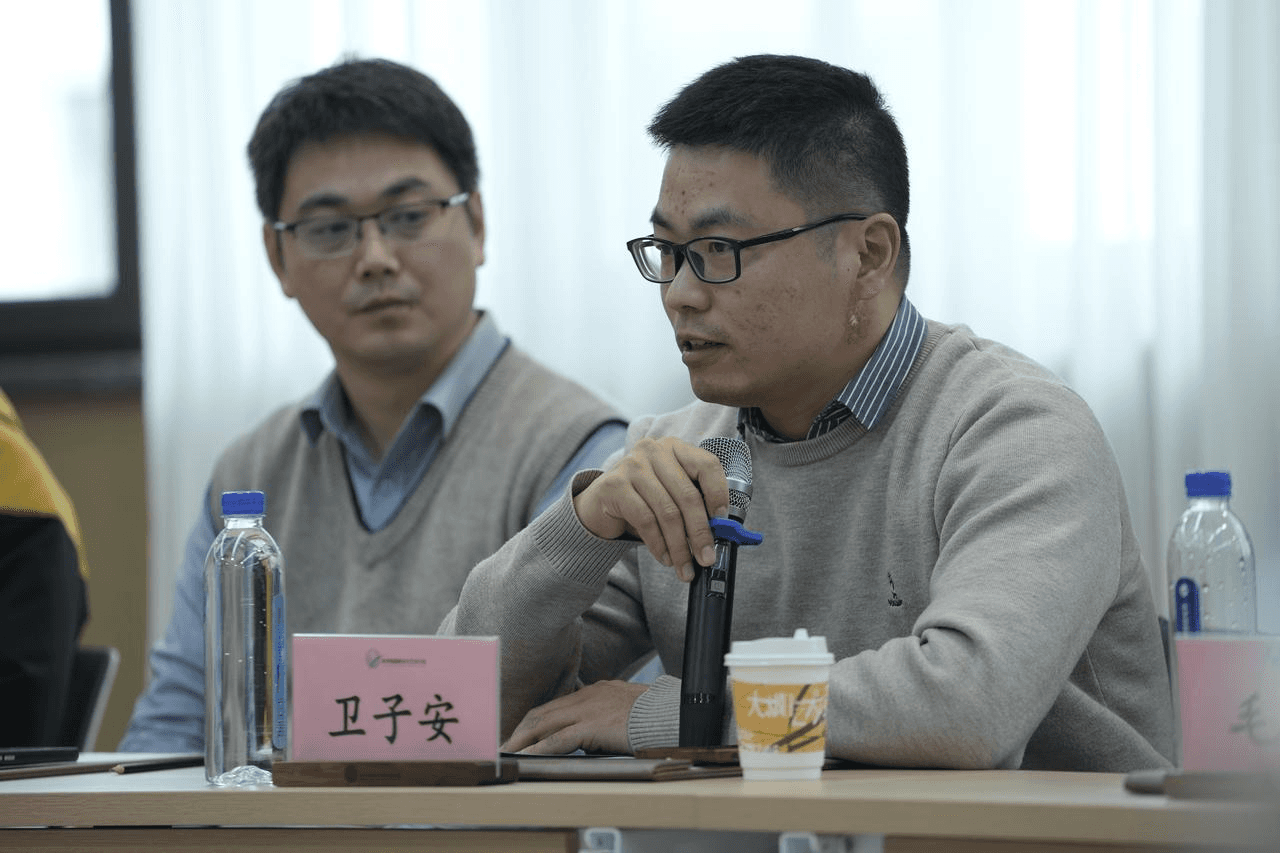
[Host: Shen Cong]
Today we are at the CCiC X Synbipunk China Bioengineering Machines Exchange Conference, where we have been invited to present an exhibition on bio-art and technological art. In front of this exhibition, I have invited a few guests to discuss the aesthetic issues surrounding biotechnology.
The theme of our sub-forum is 'Rewriting Perceptual Structures - Aesthetic Variations of Biotechnology.' At a 'hard' science conference, we aim to hold a 'soft' science discussion on art, which is very interesting. I wonder what kind of sparks will emerge from this.
Let me introduce a few guests:
Teacher Wei Ying is a well-known curator of bio-art and technology art in China and one of the pioneers in bio-art research and curation in the country. Before engaging in the art industry, she received excellent professional training in biology, earning a master's degree in biology from Fudan University, and served as a research fellow in technology art at the Central Academy of Fine Arts, where she taught courses in bio-art. Therefore, her interdisciplinary background is very suitable for today's context.
Teacher Xia Kejun is a professor at the School of Arts of Renmin University of China, who has long focused on philosophical issues related to life technology and is also a well-known art critic and contemporary art curator.
On the right is Teacher Hu Yilin, who was an associate professor in the Department of History of Science at Tsinghua University and was my mentor at Tsinghua. He has always focused on fields such as the philosophy of technology, media studies, and contemporary art. He is now a freelance scholar, web3 practitioner, and the founder of our Tianyu ARTECH.
I am also very much looking forward to what kind of collisions will occur among the three teachers today.
Entering the first topic, I would like to ask Teacher Xia to discuss how to understand 'biotechnology/life technology' from a philosophical perspective. Our subtitle today is 'The Aesthetics of Biotechnology.' I know that you have recently conducted a lot of research on this topic. When you understand 'biotechnology/life technology' from the perspective of a philosopher, how does it differ from our general understanding of 'biotechnology/life technology' in the practice of life sciences?
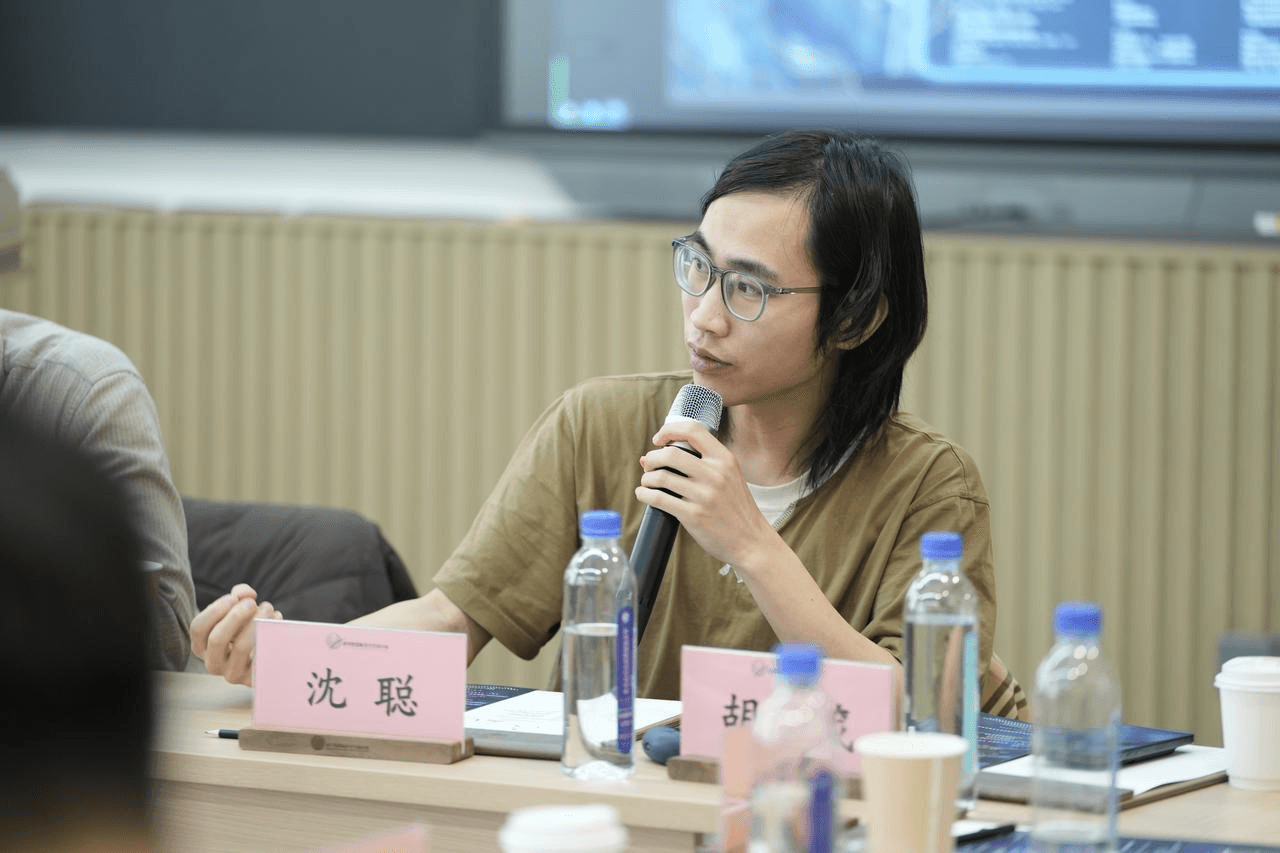
[Host: Shen Cong]
Today we are at the CCiC X Synbipunk China Bioengineering Machines Exchange Conference, where we have been invited to present an exhibition on bio-art and technological art. In front of this exhibition, I have invited a few guests to discuss the aesthetic issues surrounding biotechnology.
The theme of our sub-forum is 'Rewriting Perceptual Structures - Aesthetic Variations of Biotechnology.' At a 'hard' science conference, we aim to hold a 'soft' science discussion on art, which is very interesting. I wonder what kind of sparks will emerge from this.
Let me introduce a few guests:
Teacher Wei Ying is a well-known curator of bio-art and technology art in China and one of the pioneers in bio-art research and curation in the country. Before engaging in the art industry, she received excellent professional training in biology, earning a master's degree in biology from Fudan University, and served as a research fellow in technology art at the Central Academy of Fine Arts, where she taught courses in bio-art. Therefore, her interdisciplinary background is very suitable for today's context.
Teacher Xia Kejun is a professor at the School of Arts of Renmin University of China, who has long focused on philosophical issues related to life technology and is also a well-known art critic and contemporary art curator.
On the right is Teacher Hu Yilin, who was an associate professor in the Department of History of Science at Tsinghua University and was my mentor at Tsinghua. He has always focused on fields such as the philosophy of technology, media studies, and contemporary art. He is now a freelance scholar, web3 practitioner, and the founder of our Tianyu ARTECH.
I am also very much looking forward to what kind of collisions will occur among the three teachers today.
Entering the first topic, I would like to ask Teacher Xia to discuss how to understand 'biotechnology/life technology' from a philosophical perspective. Our subtitle today is 'The Aesthetics of Biotechnology.' I know that you have recently conducted a lot of research on this topic. When you understand 'biotechnology/life technology' from the perspective of a philosopher, how does it differ from our general understanding of 'biotechnology/life technology' in the practice of life sciences?
[Guest: Xia Kejun]
-- "Life technology" is not only related to scientific operations, but also introduces biological thought into philosophical reflection, exploring how technology transforms and enhances life.
The "biotechnology" I understand comes from biopolitics, a concept formed around the management of life and politics from Foucault to Agamben. I think about life technology from a philosophical perspective, continuing this tradition to consider the relationship between biotechnology and the body, but how is it specifically different?
When I mention this term, it can be understood in two ways: one is the philosophy of biology — driven by biology — the philosophical questions arising from the evolution of biology over the past couple of hundred years, from Darwin to DNA to the central dogma and then to epigenetics. The other perspective is the philosophical biologization — or the philosophy of life/technology of life, with some subtle distinctions that this more closely examines biology from a philosophical standpoint, rather than simply arising from the problems posed by biology itself — for example, what is a species? Or the relationship between genetic determinism and epigenetics. The philosophical expression is not just about the relationship between genotype and phenotype, but also about the relationship between nature and nurture.
On one hand, transforming biological questions into philosophical questions, but on the other hand, my contemplation of life technology mainly revolves around how the new technologies acquired by humans can transform or enhance life, which necessitates a deeper understanding of genetic modification, representing an enhancement of eugenics on the level of life.
[Host: Shen Cong]
Thank you very much, Teacher Xia, for providing us a lens to understand biotechnology from a philosophical perspective. Our subtitle is [When Life Becomes a Medium, How Do We Understand Technology?] I would like to ask Teacher Hu to share his thoughts. Why do we say that life has become a medium? How is this different from previous eras?
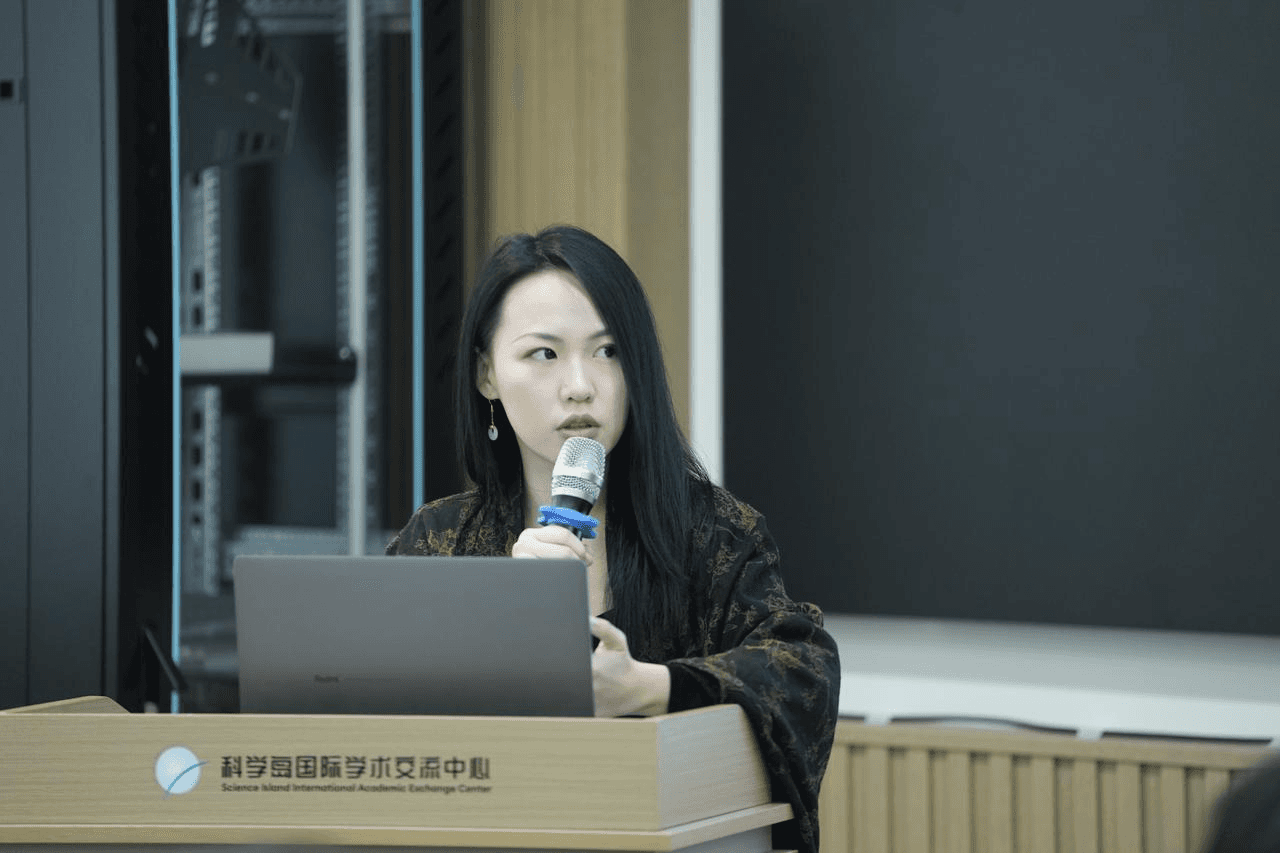
[Host: Shen Cong]
Today we are at the CCiC X Synbipunk China Bioengineering Machines Exchange Conference, where we have been invited to present an exhibition on bio-art and technological art. In front of this exhibition, I have invited a few guests to discuss the aesthetic issues surrounding biotechnology.
The theme of our sub-forum is 'Rewriting Perceptual Structures - Aesthetic Variations of Biotechnology.' At a 'hard' science conference, we aim to hold a 'soft' science discussion on art, which is very interesting. I wonder what kind of sparks will emerge from this.
Let me introduce a few guests:
Teacher Wei Ying is a well-known curator of bio-art and technology art in China and one of the pioneers in bio-art research and curation in the country. Before engaging in the art industry, she received excellent professional training in biology, earning a master's degree in biology from Fudan University, and served as a research fellow in technology art at the Central Academy of Fine Arts, where she taught courses in bio-art. Therefore, her interdisciplinary background is very suitable for today's context.
Teacher Xia Kejun is a professor at the School of Arts of Renmin University of China, who has long focused on philosophical issues related to life technology and is also a well-known art critic and contemporary art curator.
On the right is Teacher Hu Yilin, who was an associate professor in the Department of History of Science at Tsinghua University and was my mentor at Tsinghua. He has always focused on fields such as the philosophy of technology, media studies, and contemporary art. He is now a freelance scholar, web3 practitioner, and the founder of our Tianyu ARTECH.
I am also very much looking forward to what kind of collisions will occur among the three teachers today.
Entering the first topic, I would like to ask Teacher Xia to discuss how to understand 'biotechnology/life technology' from a philosophical perspective. Our subtitle today is 'The Aesthetics of Biotechnology.' I know that you have recently conducted a lot of research on this topic. When you understand 'biotechnology/life technology' from the perspective of a philosopher, how does it differ from our general understanding of 'biotechnology/life technology' in the practice of life sciences?
[Host: Shen Cong]
Today we are at the CCiC X Synbipunk China Bioengineering Machines Exchange Conference, where we have been invited to present an exhibition on bio-art and technological art. In front of this exhibition, I have invited a few guests to discuss the aesthetic issues surrounding biotechnology.
The theme of our sub-forum is 'Rewriting Perceptual Structures - Aesthetic Variations of Biotechnology.' At a 'hard' science conference, we aim to hold a 'soft' science discussion on art, which is very interesting. I wonder what kind of sparks will emerge from this.
Let me introduce a few guests:
Teacher Wei Ying is a well-known curator of bio-art and technology art in China and one of the pioneers in bio-art research and curation in the country. Before engaging in the art industry, she received excellent professional training in biology, earning a master's degree in biology from Fudan University, and served as a research fellow in technology art at the Central Academy of Fine Arts, where she taught courses in bio-art. Therefore, her interdisciplinary background is very suitable for today's context.
Teacher Xia Kejun is a professor at the School of Arts of Renmin University of China, who has long focused on philosophical issues related to life technology and is also a well-known art critic and contemporary art curator.
On the right is Teacher Hu Yilin, who was an associate professor in the Department of History of Science at Tsinghua University and was my mentor at Tsinghua. He has always focused on fields such as the philosophy of technology, media studies, and contemporary art. He is now a freelance scholar, web3 practitioner, and the founder of our Tianyu ARTECH.
I am also very much looking forward to what kind of collisions will occur among the three teachers today.
Entering the first topic, I would like to ask Teacher Xia to discuss how to understand 'biotechnology/life technology' from a philosophical perspective. Our subtitle today is 'The Aesthetics of Biotechnology.' I know that you have recently conducted a lot of research on this topic. When you understand 'biotechnology/life technology' from the perspective of a philosopher, how does it differ from our general understanding of 'biotechnology/life technology' in the practice of life sciences?
[Host: Shen Cong]
Today we are at the CCiC X Synbipunk China Bioengineering Machines Exchange Conference, where we have been invited to present an exhibition on bio-art and technological art. In front of this exhibition, I have invited a few guests to discuss the aesthetic issues surrounding biotechnology.
The theme of our sub-forum is 'Rewriting Perceptual Structures - Aesthetic Variations of Biotechnology.' At a 'hard' science conference, we aim to hold a 'soft' science discussion on art, which is very interesting. I wonder what kind of sparks will emerge from this.
Let me introduce a few guests:
Teacher Wei Ying is a well-known curator of bio-art and technology art in China and one of the pioneers in bio-art research and curation in the country. Before engaging in the art industry, she received excellent professional training in biology, earning a master's degree in biology from Fudan University, and served as a research fellow in technology art at the Central Academy of Fine Arts, where she taught courses in bio-art. Therefore, her interdisciplinary background is very suitable for today's context.
Teacher Xia Kejun is a professor at the School of Arts of Renmin University of China, who has long focused on philosophical issues related to life technology and is also a well-known art critic and contemporary art curator.
On the right is Teacher Hu Yilin, who was an associate professor in the Department of History of Science at Tsinghua University and was my mentor at Tsinghua. He has always focused on fields such as the philosophy of technology, media studies, and contemporary art. He is now a freelance scholar, web3 practitioner, and the founder of our Tianyu ARTECH.
I am also very much looking forward to what kind of collisions will occur among the three teachers today.
Entering the first topic, I would like to ask Teacher Xia to discuss how to understand 'biotechnology/life technology' from a philosophical perspective. Our subtitle today is 'The Aesthetics of Biotechnology.' I know that you have recently conducted a lot of research on this topic. When you understand 'biotechnology/life technology' from the perspective of a philosopher, how does it differ from our general understanding of 'biotechnology/life technology' in the practice of life sciences?
[Host: Shen Cong]
Today we are at the CCiC X Synbipunk China Bioengineering Machines Exchange Conference, where we have been invited to present an exhibition on bio-art and technological art. In front of this exhibition, I have invited a few guests to discuss the aesthetic issues surrounding biotechnology.
The theme of our sub-forum is 'Rewriting Perceptual Structures - Aesthetic Variations of Biotechnology.' At a 'hard' science conference, we aim to hold a 'soft' science discussion on art, which is very interesting. I wonder what kind of sparks will emerge from this.
Let me introduce a few guests:
Teacher Wei Ying is a well-known curator of bio-art and technology art in China and one of the pioneers in bio-art research and curation in the country. Before engaging in the art industry, she received excellent professional training in biology, earning a master's degree in biology from Fudan University, and served as a research fellow in technology art at the Central Academy of Fine Arts, where she taught courses in bio-art. Therefore, her interdisciplinary background is very suitable for today's context.
Teacher Xia Kejun is a professor at the School of Arts of Renmin University of China, who has long focused on philosophical issues related to life technology and is also a well-known art critic and contemporary art curator.
On the right is Teacher Hu Yilin, who was an associate professor in the Department of History of Science at Tsinghua University and was my mentor at Tsinghua. He has always focused on fields such as the philosophy of technology, media studies, and contemporary art. He is now a freelance scholar, web3 practitioner, and the founder of our Tianyu ARTECH.
I am also very much looking forward to what kind of collisions will occur among the three teachers today.
Entering the first topic, I would like to ask Teacher Xia to discuss how to understand 'biotechnology/life technology' from a philosophical perspective. Our subtitle today is 'The Aesthetics of Biotechnology.' I know that you have recently conducted a lot of research on this topic. When you understand 'biotechnology/life technology' from the perspective of a philosopher, how does it differ from our general understanding of 'biotechnology/life technology' in the practice of life sciences?
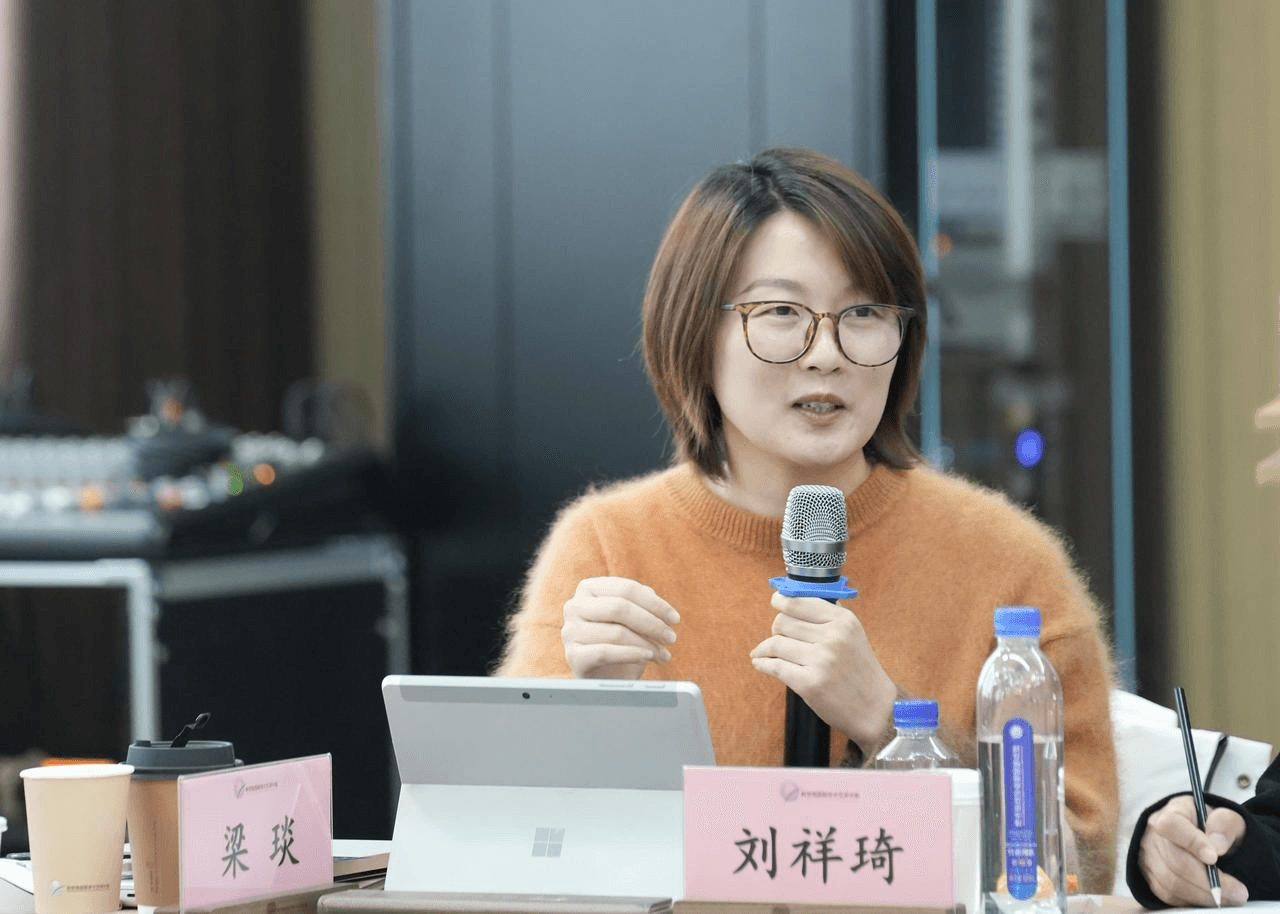
[Host: Shen Cong]
Today we are at the CCiC X Synbipunk China Bioengineering Machines Exchange Conference, where we have been invited to present an exhibition on bio-art and technological art. In front of this exhibition, I have invited a few guests to discuss the aesthetic issues surrounding biotechnology.
The theme of our sub-forum is 'Rewriting Perceptual Structures - Aesthetic Variations of Biotechnology.' At a 'hard' science conference, we aim to hold a 'soft' science discussion on art, which is very interesting. I wonder what kind of sparks will emerge from this.
Let me introduce a few guests:
Teacher Wei Ying is a well-known curator of bio-art and technology art in China and one of the pioneers in bio-art research and curation in the country. Before engaging in the art industry, she received excellent professional training in biology, earning a master's degree in biology from Fudan University, and served as a research fellow in technology art at the Central Academy of Fine Arts, where she taught courses in bio-art. Therefore, her interdisciplinary background is very suitable for today's context.
Teacher Xia Kejun is a professor at the School of Arts of Renmin University of China, who has long focused on philosophical issues related to life technology and is also a well-known art critic and contemporary art curator.
On the right is Teacher Hu Yilin, who was an associate professor in the Department of History of Science at Tsinghua University and was my mentor at Tsinghua. He has always focused on fields such as the philosophy of technology, media studies, and contemporary art. He is now a freelance scholar, web3 practitioner, and the founder of our Tianyu ARTECH.
I am also very much looking forward to what kind of collisions will occur among the three teachers today.
Entering the first topic, I would like to ask Teacher Xia to discuss how to understand 'biotechnology/life technology' from a philosophical perspective. Our subtitle today is 'The Aesthetics of Biotechnology.' I know that you have recently conducted a lot of research on this topic. When you understand 'biotechnology/life technology' from the perspective of a philosopher, how does it differ from our general understanding of 'biotechnology/life technology' in the practice of life sciences?
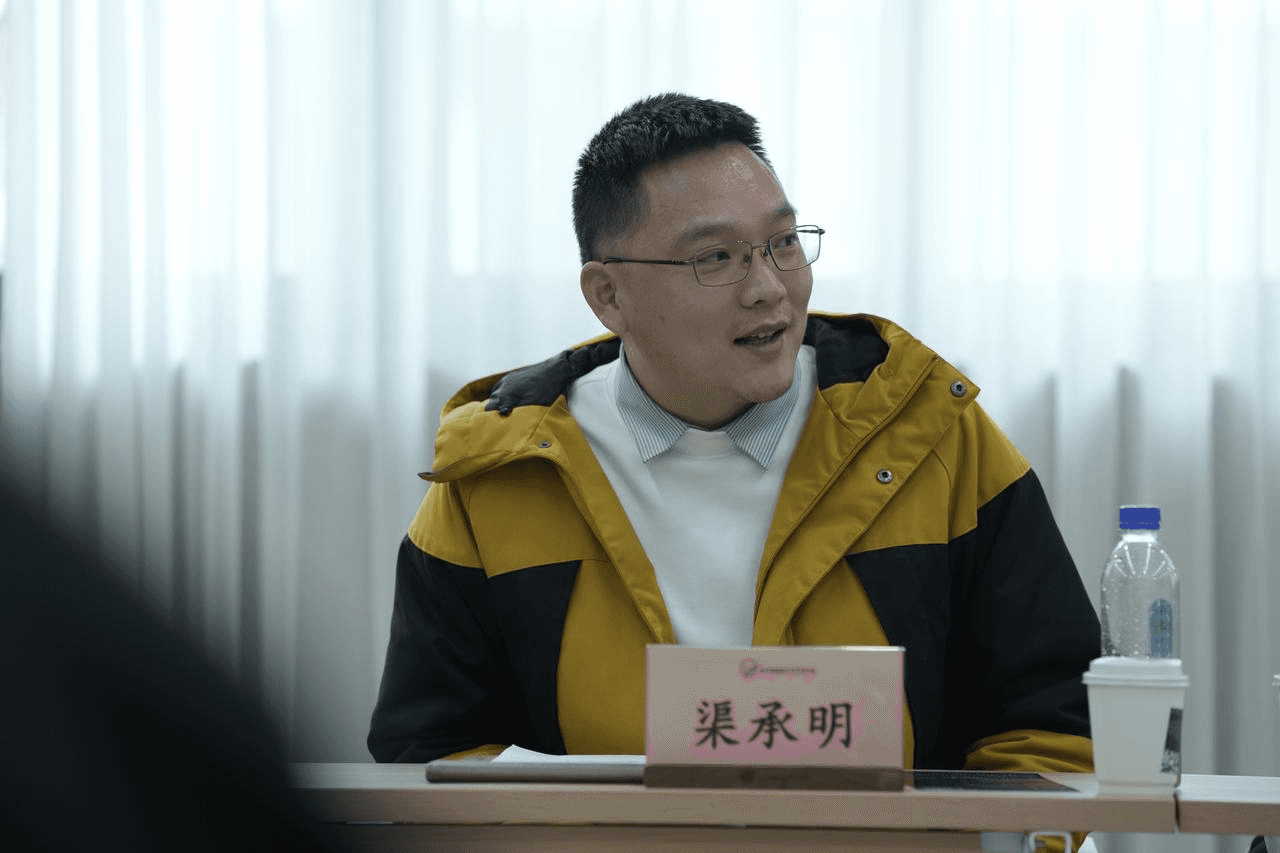
[Host: Shen Cong]
Today we are at the CCiC X Synbipunk China Bioengineering Machines Exchange Conference, where we have been invited to present an exhibition on bio-art and technological art. In front of this exhibition, I have invited a few guests to discuss the aesthetic issues surrounding biotechnology.
The theme of our sub-forum is 'Rewriting Perceptual Structures - Aesthetic Variations of Biotechnology.' At a 'hard' science conference, we aim to hold a 'soft' science discussion on art, which is very interesting. I wonder what kind of sparks will emerge from this.
Let me introduce a few guests:
Teacher Wei Ying is a well-known curator of bio-art and technology art in China and one of the pioneers in bio-art research and curation in the country. Before engaging in the art industry, she received excellent professional training in biology, earning a master's degree in biology from Fudan University, and served as a research fellow in technology art at the Central Academy of Fine Arts, where she taught courses in bio-art. Therefore, her interdisciplinary background is very suitable for today's context.
Teacher Xia Kejun is a professor at the School of Arts of Renmin University of China, who has long focused on philosophical issues related to life technology and is also a well-known art critic and contemporary art curator.
On the right is Teacher Hu Yilin, who was an associate professor in the Department of History of Science at Tsinghua University and was my mentor at Tsinghua. He has always focused on fields such as the philosophy of technology, media studies, and contemporary art. He is now a freelance scholar, web3 practitioner, and the founder of our Tianyu ARTECH.
I am also very much looking forward to what kind of collisions will occur among the three teachers today.
Entering the first topic, I would like to ask Teacher Xia to discuss how to understand 'biotechnology/life technology' from a philosophical perspective. Our subtitle today is 'The Aesthetics of Biotechnology.' I know that you have recently conducted a lot of research on this topic. When you understand 'biotechnology/life technology' from the perspective of a philosopher, how does it differ from our general understanding of 'biotechnology/life technology' in the practice of life sciences?
< *Panelist >
[Host: Shen Cong]
Today we are at the CCiC X Synbipunk China Bioengineering Machines Exchange Conference, where we have been invited to present an exhibition on bio-art and technological art. In front of this exhibition, I have invited a few guests to discuss the aesthetic issues surrounding biotechnology.
The theme of our sub-forum is 'Rewriting Perceptual Structures - Aesthetic Variations of Biotechnology.' At a 'hard' science conference, we aim to hold a 'soft' science discussion on art, which is very interesting. I wonder what kind of sparks will emerge from this.
Let me introduce a few guests:
Teacher Wei Ying is a well-known curator of bio-art and technology art in China and one of the pioneers in bio-art research and curation in the country. Before engaging in the art industry, she received excellent professional training in biology, earning a master's degree in biology from Fudan University, and served as a research fellow in technology art at the Central Academy of Fine Arts, where she taught courses in bio-art. Therefore, her interdisciplinary background is very suitable for today's context.
Teacher Xia Kejun is a professor at the School of Arts of Renmin University of China, who has long focused on philosophical issues related to life technology and is also a well-known art critic and contemporary art curator.
On the right is Teacher Hu Yilin, who was an associate professor in the Department of History of Science at Tsinghua University and was my mentor at Tsinghua. He has always focused on fields such as the philosophy of technology, media studies, and contemporary art. He is now a freelance scholar, web3 practitioner, and the founder of our Tianyu ARTECH.
I am also very much looking forward to what kind of collisions will occur among the three teachers today.
Entering the first topic, I would like to ask Teacher Xia to discuss how to understand 'biotechnology/life technology' from a philosophical perspective. Our subtitle today is 'The Aesthetics of Biotechnology.' I know that you have recently conducted a lot of research on this topic. When you understand 'biotechnology/life technology' from the perspective of a philosopher, how does it differ from our general understanding of 'biotechnology/life technology' in the practice of life sciences?
Energy and Civilization - Science and Art · Fusion Future
Exhibition team:
Academic Advisors: Lin Mao Li Jiangang
Special Advisors: Qiu Zhijie Hu Haomin
Chief Coordinator: Pan Chenghui
Administrative Coordinators: Wu Yajuan Wang Shu
Overall Planning: Wu Zheng Kong Defeng
Exhibition Director: Jin Jun Han Wenchao
Exhibition Coordination: Gao Gao Hai Jun
Curatorial Team: Zhang Zhaohong Shen Xingyi Su Lei Shen Cong Chen Yu Qu Chengming He Qiuyan
Execution Curators: Cai Miaomiao Liu Xiangqi Zhou You Hu Yiwei Wu Yingqi Zhu Zixiu Wu Zhendong Hu Manlu
Exhibition Coordination: Wang Jing Liu Xiyan
Visual Design: Gong Yi Wang Gengyu
Image Design: Liu Jian He Chenxuan
Installation Design: Li Peng Ding Haobin Xu Guangxin Meng Xiangzhong Chen Zhang Wei Zian Wang Chaoqun Xu Hongyun Xiang Nianwen Lü Zengwei Li Chunhua Chen Zhiwei Wang Shulai Liu Zhongbao Xue Feng
Promotional Design: Ding Guanmeng Zhang Luming
Performance Design: Hou Baihui Li Xueying Kong Xiangyu Yang Shuting Ye Xiang
Documentation: Wang Jiahus Jia Xianjing Ma Jiayi Ma Chuxin Zhao Yuhan
Design Coordination: Ji Yujie
Exhibition Management: Su Shicun Jing Peng Lü Zhifa
Media Promotion: He Yisha Wu Jing He Yifei Du Yinzhu Ding Yi
Public Education: Xiao Baozhen Geng Jinghua Wang Jun Yao Yiqun Liang Wen Xi Huakai
Development Promotion: Sun Wei Yi Yi Jin Jianru Kou Lei Liu Xingling
Financial Affairs: Yang Liu Men Jing
Administrative Support: Jiang Siyu Yue Junyao Zhang Qian Guo Xu Chen Xiaohua
Organizing Units:
Central Academy of Fine Arts
Hefei Comprehensive National Science Center Energy Research Institute
Hefei Municipal Government
Undertaking Units:
Central Academy of Fine Arts Museum
Hefei Comprehensive National Science Center Energy Research Institute Science and Art Joint Laboratory
Big Sun (Hefei) Cultural Technology Co., Ltd.
Co-organizers:
Plasma Physics Institute, Hefei Institutes of Physical Science, Chinese Academy of Sciences
School of Nuclear Science and Technology, University of Science and Technology of China
Science Popularization China
Department of Sculpture, Central Academy of Fine Arts
School of Experimental Art and Technology, Central Academy of Fine Arts
School of Design, Central Academy of Fine Arts
School of Urban Design, Central Academy of Fine Arts
Scientific Research Office, Central Academy of Fine Arts
Institute of Technology and Art, Central Academy of Fine Arts
School of Design and Art, Beijing Institute of Technology
Future Design School, Beijing Normal University
Special Committee on Science Popularization Culture Industry, Chinese Society of Science and Technology Journalism
Key Laboratory of Industrial Manufacturing Art Innovation Design, Ministry of Industry and Information Technology
Supporting Units:
Beijing International Design Week
Epson Light and Shadow Research Institute
Shenzhen Shijue Guangxu Electronics Co., Ltd.
Beijing Original Force Superconducting Technology Co., Ltd.
Jimu Laboratory
Tianyu ARTECH
Anhui Benlun Technology Co., Ltd.
Beijing He Gu Gong Chuang Technology Co., Ltd.
Date
Aug 7, 2025
Organizer
CCiC × Synbiopunk × TINAYU ARTECH
Organizer
CCiC × Synbiopunk × TINAYU ARTECH
Editor | Hu Yiwei Wang Jiahù
Design | Feng Yuxin
Proofreading | Shen Cong